A Closer Look at the Treatments of Rubies
Rubies, with their deep crimson hues reminiscent of passion and vitality, have captivated humanity for centuries. These gemstones, known as the “King of Precious Stones,” possess an allure that transcends time and culture. However, what many may not realize is that the rubies adorning royal jewelry and cherished heirlooms often undergo various treatments to enhance their color, clarity, and overall appeal. In this blog, we embark on a journey to uncover the world of ruby treatments, shedding light on the techniques that bring these fiery gems to their full radiance.
Understanding Natural Rubies: A Glimpse into Their Formation
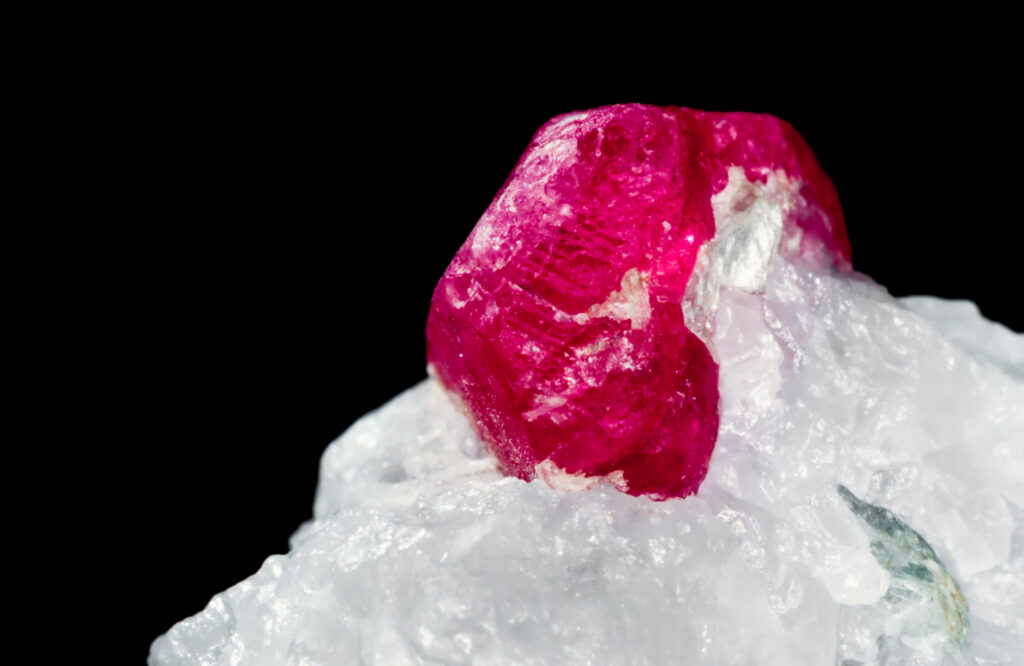
Natural rubies, composed of aluminum oxide with traces of chromium responsible for their vibrant red color, form deep within the Earth’s crust over millions of years. The combination of specific geological conditions and temperature fluctuations gives rise to the exceptional beauty and rarity of these gemstones.
The Quest for Perfection: Common Ruby Treatments
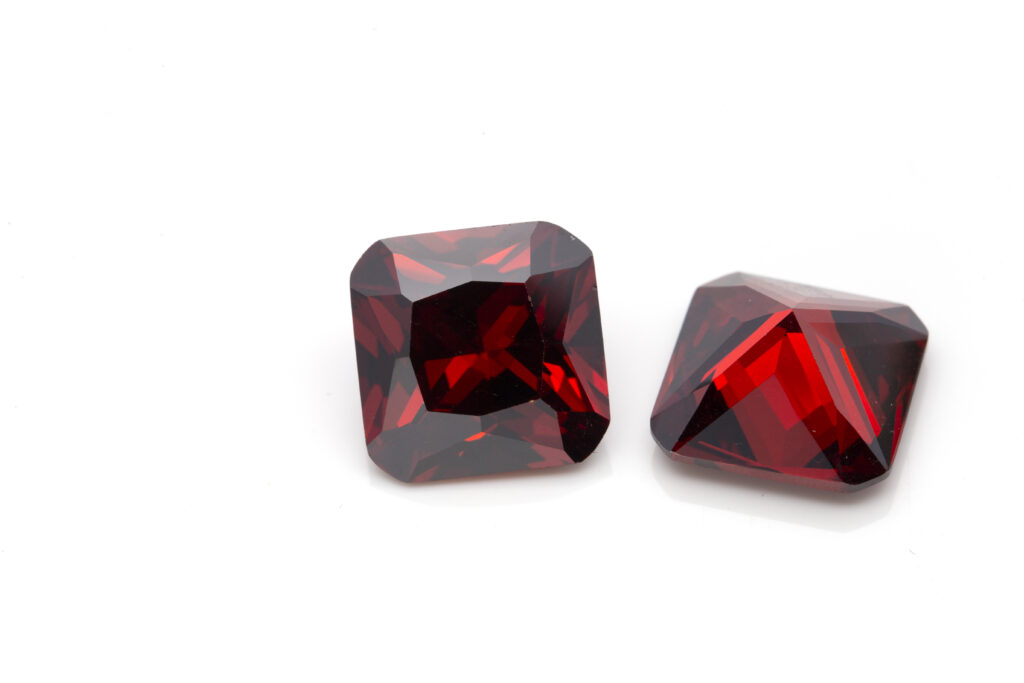
- Heat Treatment: One of the most prevalent treatments for rubies is heat treatment, which involves subjecting the gemstones to high temperatures to enhance their color and clarity. This technique can transform dull or pale-colored rubies into vibrant, saturated red gems. Heat treatment is considered permanent and is widely accepted in the industry, as long as it’s disclosed.
- Fracture Filling: Some rubies have natural fractures or cavities that can impact their appearance. To address this, fracture-filling treatments involve injecting colorless substances (like lead glass) into these fractures to improve clarity and overall appearance. While this treatment can enhance a ruby’s appearance, it’s important to note that it may affect the gem’s long-term durability.
- Diffusion Treatment: In this method, rubies are subjected to high temperatures along with certain elements like beryllium, which penetrate the surface and alter the color. This treatment can create striking color variations and asterism (star-shaped patterns), but it’s crucial to disclose such treatments to buyers.
- Beryllium Treatment: This treatment involves using beryllium in diffusion to change the color of the ruby. While it can produce visually appealing results, it’s important for consumers to be aware of this treatment due to its impact on a gemstone’s natural composition.
Transparency and Disclosure: The Importance of Full Disclosure
The ethical practice of disclosing any treatments a ruby has undergone is paramount in the gemstone industry. Jewelry professionals are expected to provide accurate and transparent information to consumers, allowing them to make informed decisions about their purchases. Reputable jewelers adhere to industry standards and share all relevant details about a ruby’s treatment history.
Choosing Your Ruby: Balancing Beauty and Authenticity
When considering a ruby for purchase, it’s essential to strike a balance between aesthetics and authenticity. While treated rubies can display enhanced color and visual appeal, the informed consumer appreciates the beauty of natural rubies that have undergone minimal intervention. To ensure you’re making a conscious choice, seek out reputable jewelers who provide clear information about a ruby’s treatment history and origin.
In Conclusion: The Radiant Journey of Rubies
The world of ruby treatments adds a layer of complexity to these mesmerizing gemstones. From the natural forces that create them to the innovative techniques that enhance their allure, rubies hold a fascinating story. As you admire the fiery glow of a ruby, whether it’s a natural wonder or a treated gem, remember that their charm lies not only in their visual splendor but also in the stories they carry from deep within the Earth to the hands of those who cherish them.